

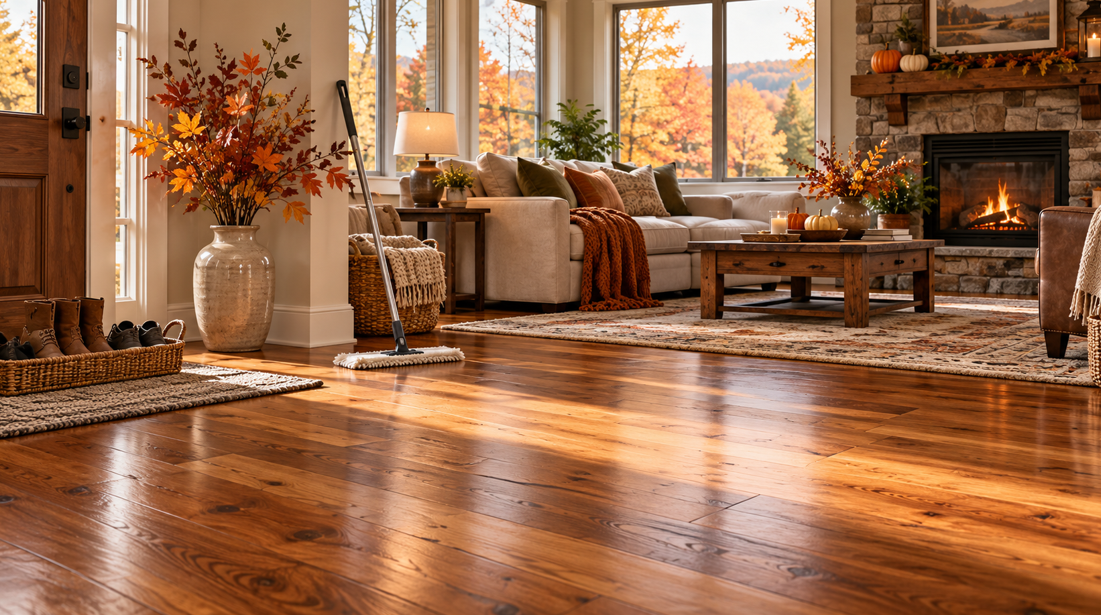
Fall in Nazareth brings cooler temperatures, colorful leaves, wetter weather, and plenty of activity moving between the outdoors and the home. Those seasonal changes can also introduce new challenges for hardwood floors.
Leaves, dirt, moisture, grit, and changing indoor humidity can all affect the appearance and performance of natural wood. Fortunately, maintaining beautiful floors during autumn doesn't require an elaborate routine. A few consistent habits can make a noticeable difference.
Homeowners throughout Nazareth and the surrounding Lehigh Valley can turn to Design Floors Lehigh Valley for knowledgeable flooring guidance backed by more than 30 years of experience.
From managing fallen leaves near entryways to preparing indoor humidity levels for colder weather, this guide covers practical ways to help hardwood floors remain clean, comfortable, and attractive throughout the fall season.
Why Fall Changes the Way Hardwood Floors Need Care
Hardwood is a natural material that responds to its environment.
Temperature and humidity levels change throughout the year, and autumn represents an important transition period between warm, humid summer weather and the colder, drier conditions of winter.
For hardwood flooring, that means homeowners need to think about more than routine cleaning.
Fall can introduce:
Increased dirt and debris near entrances
Wet leaves being tracked indoors
Rainwater on shoes and pet paws
Greater use of heating systems
Gradually falling indoor humidity
More time spent indoors
Increased foot traffic during gatherings and holidays
None of these conditions automatically causes damage. The goal is simply to reduce unnecessary wear and keep the indoor environment reasonably stable.
A good fall routine also helps prepare hardwood floors for winter, when heated indoor air can become much drier.
Keep Fallen Leaves and Outdoor Debris Away From Hardwood
One of the simplest fall maintenance habits is also one of the most effective: stop outdoor debris before it travels across the floor.
Leaves may look harmless, but they can carry moisture, soil, and small particles of grit.
Once these particles are walked across hardwood, they can act like fine abrasives against the finish.
Use Mats at Exterior Doors
Place quality entry mats at doors that receive regular traffic.
A combination of an outdoor mat and an indoor mat can help remove:
Loose dirt
Small stones
Leaves
Moisture
Mud
Road residue
Choose mats with a backing that is suitable for hardwood floors. Some rubber or chemical-backed products may react with certain finishes, so flooring manufacturer recommendations are worth checking.
Sweep Entry Areas Regularly
Entryways usually require more attention during autumn.
Rather than waiting until dirt becomes noticeable throughout the house, quickly sweeping or vacuuming these areas can prevent debris from being carried farther inside.
Focus particularly on:
Front entrances
Mudrooms
Garage entry doors
Patio doors
Hallways connecting to exterior entrances
This small routine can help protect the finish while keeping the home looking cleaner.
Clean Hardwood Regularly Without Overdoing It
Fall often brings more frequent cleaning because outdoor debris enters the home more easily.
However, more cleaning doesn't need to mean using more water or stronger products.
Hardwood generally responds best to simple, consistent care.
Sweep or Vacuum Loose Debris
Removing dry particles is the first step.
Use a soft-bristle broom, microfiber dust mop, or vacuum designed for hard flooring.
When using a vacuum, check that the brush roll or attachment is suitable for hardwood so the surface isn't unnecessarily scratched.
Regular removal of grit can help reduce wear in high-traffic areas.
Use a Hardwood-Approved Cleaner
For deeper cleaning, choose products approved for the specific hardwood finish.
Avoid assuming that every multipurpose household cleaner is appropriate.
Some products can:
Leave residue
Dull the finish
Create streaks
Affect protective coatings
Follow the flooring or finish manufacturer's cleaning instructions whenever possible.
Avoid Excess Water
Hardwood and standing moisture are not a good combination.
A heavily saturated mop can leave unnecessary water on the floor and around plank edges.
Instead, use a lightly damp cleaning method recommended for the flooring.
The surface should dry relatively quickly after cleaning.
Homeowners exploring new floors or comparing care requirements can also browse different hardwood flooring styles to understand how species, finishes, and construction can influence maintenance expectations.
Deal With Rainwater and Wet Leaves Quickly
Fall rain can turn entrances into high-risk areas for moisture.
Wet shoes, jackets, umbrellas, leaves, and pet paws can all bring water onto hardwood.
The easiest strategy is simple: clean moisture promptly rather than allowing it to remain on the surface.
Create a Landing Area Near the Door
A dedicated area for wet outdoor items can make everyday maintenance easier.
Consider keeping:
A boot tray
An umbrella stand
An absorbent mat
Towels for wet pet paws
A small basket for outdoor accessories
This keeps moisture concentrated in one manageable area instead of allowing it to spread across the room.
Wipe Up Spills Promptly
If rainwater reaches the hardwood, wipe it away with a soft, absorbent cloth.
Pay attention to plank edges and seams where moisture could remain longer.
Prompt cleanup is particularly useful during rainy days when family members may come and go several times.
Watch Indoor Humidity as Temperatures Drop
Humidity is one of the most important environmental factors affecting natural hardwood.
Wood absorbs and releases moisture depending on surrounding conditions.
When the air becomes more humid, wood can expand. When indoor air becomes drier, it can contract.
Nazareth's seasonal transition from summer into fall can bring noticeable changes in indoor conditions.
Pay Attention When Heating Season Begins
Once heating systems begin operating regularly, indoor humidity can decrease.
Dry air can cause hardwood boards to lose moisture and contract slightly.
Small seasonal gaps can sometimes appear between boards as a result.
This natural response doesn't automatically indicate a flooring problem.
Maintaining indoor conditions within the range recommended by the flooring manufacturer can help reduce extreme fluctuations.
Consider Monitoring Indoor Humidity
A basic indoor humidity monitor can make it easier to understand how conditions change throughout the season.
Rather than guessing whether the air feels dry or humid, homeowners can see actual measurements and respond accordingly.
If indoor humidity moves outside the flooring manufacturer's recommended range, adjustments to the home's climate control may help.
The goal is consistency rather than chasing an exact number from day to day.
Protect High-Traffic Areas as Indoor Activity Increases
Cooler weather naturally shifts more activities indoors.
Living rooms, kitchens, hallways, and family spaces may experience increased traffic as people spend more time at home.
Fall also leads into the holiday season, when gatherings can increase activity even further.
Use Area Rugs Strategically
Area rugs can add warmth while protecting frequently used sections of hardwood.
They can be particularly useful in:
Hallways
Living rooms
Dining areas
Entryways
Spaces beneath frequently moved chairs
Choose rug pads designed for hardwood flooring.
A suitable pad can help prevent movement while protecting the finish underneath.
Move Rugs Occasionally
Hardwood exposed to sunlight may change color gradually over time.
Moving rugs or furniture occasionally can help the floor age more evenly.
This doesn't need to become a constant task. Seasonal cleaning can simply provide an opportunity to shift rugs slightly and inspect the flooring beneath them.
Add Furniture Protection
Furniture pads beneath chairs, tables, and other frequently moved pieces can reduce scratching.
Check existing pads during fall cleaning because they can wear down or collect grit over time.
Replacing a worn furniture pad takes very little effort and can help prevent unnecessary surface marks.
Prepare Hardwood Floors for Fall Gatherings
Autumn often means family gatherings, game days, dinners, and the beginning of holiday entertaining.
More guests can mean more foot traffic, but there's no need to treat hardwood like a fragile surface.
A little preparation can keep the floor looking polished.
Clean Before Guests Arrive
Remove grit and debris before a gathering.
Dirt already sitting on the floor can cause more surface wear when many people walk across it.
A quick vacuum or dry mop is often enough.
Keep Entry Mats Ready
Good mats help visitors naturally remove some outdoor debris before walking into the home.
During rainy weather, keeping an extra absorbent mat near the entrance may also be useful.
Clean After High-Traffic Events
After a busy gathering, inspect major traffic areas.
Remove crumbs, grit, and any spills before they remain on the surface for an extended period.
There's no need for aggressive cleaning. A simple routine is usually more effective.
Give Extra Attention to Homes With Pets
Dogs and cats can bring some additional fall maintenance considerations.
Wet leaves can stick to paws, while outdoor dirt and moisture may be tracked across entryways.
Wipe Wet Paws at the Door
Keeping a towel near the main entrance makes this easy.
A quick wipe can remove:
Rainwater
Mud
Leaves
Fine grit
This protects more than the flooring. It also helps keep carpets, furniture, and other indoor surfaces cleaner.
Keep Nails Maintained
Pet nails can contribute to surface marks, particularly when pets run or change direction quickly.
Regular nail maintenance can reduce this contact.
Place Mats Near Food and Water Bowls
Small spills around water bowls are common.
A hardwood-safe mat beneath feeding areas can help contain moisture while making cleanup easier.
Check for Small Problems Before Winter
Fall is a useful time to inspect hardwood carefully.
Minor wear is easier to address when noticed early.
Walk through the home and look for:
Worn finish in heavily traveled areas
Scratches
Loose transitions
Boards showing unusual movement
Areas where water may have remained
Damaged furniture pads
Worn or curling entry mats
Not every mark requires professional attention.
Many small surface scratches are simply part of normal use.
However, changes such as persistent cupping, unusual gaps, movement, or significant finish wear may deserve professional evaluation.
Catching concerns before winter also gives homeowners time to address them before colder weather changes indoor conditions further.
Be Careful With Seasonal Cleaning Products
Fall cleaning sometimes introduces products that aren't normally used throughout the year.
This is a good moment to check labels before applying anything to hardwood.
Avoid assuming that products described as natural, multipurpose, or heavy-duty are automatically safe for wood floors.
Products containing oils, waxes, harsh chemicals, or excessive moisture can interact differently with various finishes.
The safest approach is to use a cleaner recommended for the floor's finish.
Skip DIY Cleaning Experiments
Online cleaning tips often recommend mixtures containing vinegar, soap, oils, or other household ingredients.
While some may sound harmless, they aren't suitable for every hardwood finish.
A cleaner developed specifically for hardwood provides more predictable results.
When uncertain, check with the flooring or finish manufacturer before using a new product.
Help Hardwood Transition From Fall Into Winter
Fall care isn't only about autumn itself. It's also about preparing the floor for colder months.
Winter can introduce dry indoor air, snow, road salt, and more moisture around entryways.
A few fall preparations can make winter maintenance easier.
Inspect Entry Mats
Replace mats that no longer absorb moisture effectively.
Make sure exterior doors have enough space for wet footwear, especially before snow arrives.
Monitor Indoor Climate
Start watching humidity once heating begins rather than waiting until winter is fully underway.
Gradual adjustments can help create a more stable indoor environment.
Stock the Right Cleaning Supplies
Keep hardwood-approved cleaner, microfiber cloths, and a suitable broom or vacuum attachment easily accessible.
When the right products are already available, prompt cleanup becomes much easier.
Review the Floor's Finish
If a floor has substantial finish wear, autumn can be a useful time to discuss professional refinishing or maintenance options.
A worn finish provides less surface protection than one in good condition.
Not every older floor needs refinishing, so a professional assessment can help determine whether routine maintenance is enough.
Create a Simple Fall Hardwood Care Routine
A seasonal care plan doesn't need to be elaborate.
The most effective routines are usually the ones that are easy to maintain.
Daily or As Needed
Wipe spills promptly.
Remove wet leaves from entry areas.
Dry pet paws after rainy walks.
Keep standing moisture away from the floor.
Weekly
Sweep, vacuum, or dry mop high-traffic areas.
Check entrances for accumulated grit.
Inspect areas around pet bowls and exterior doors.
Monthly
Clean with an approved hardwood product when needed.
Check furniture pads.
Look beneath rugs for trapped debris.
Review indoor humidity levels.
During Seasonal Changes
Pay attention when heating begins.
Inspect the flooring for unusual movement.
Review worn finishes or heavily traveled sections.
Prepare entrance areas for colder, wetter weather.
A simple routine like this keeps maintenance manageable instead of turning floor care into a major project.
Fall Hardwood Care Mistakes Worth Avoiding
Knowing what not to do can be just as useful as knowing the best maintenance habits.
Leaving Wet Leaves on the Floor
Leaves can hold moisture against the surface and may also carry dirt.
Remove them promptly.
Using Too Much Water
More water doesn't mean cleaner hardwood.
Use the cleaning method recommended for the flooring and avoid soaking the surface.
Ignoring Grit Near Entrances
Tiny particles can contribute to gradual finish wear when walked across repeatedly.
Entry mats and regular sweeping help control them.
Using the Wrong Cleaning Products
Harsh or unsuitable cleaners can dull or alter the finish.
Stick with products approved for hardwood.
Ignoring Indoor Humidity
Natural wood responds to moisture changes.
Monitoring the indoor environment can help reduce extreme seasonal movement.
Waiting Too Long to Investigate Unusual Changes
A small cosmetic scratch and a moisture-related flooring issue aren't the same.
If boards begin showing unusual movement, persistent gaps, cupping, or other significant changes, professional guidance can help identify the cause.
Keep Hardwood Beautiful Throughout Fall and Beyond
Fall in Nazareth can be one of the most enjoyable times of the year, and hardwood floors can handle seasonal living beautifully with the right care.
The essentials are straightforward:
Keep leaves and grit near the entrance.
Clean with flooring-safe methods.
Wipe moisture promptly.
Monitor indoor humidity.
Protect high-traffic areas.
Check furniture pads and rugs.
Inspect the floor as the seasons change.
Consistent maintenance tends to matter more than intensive cleaning.
Hardwood is designed to be lived on. The goal isn't to protect it from every footprint but to reduce avoidable wear while preserving the natural character that makes wood flooring so appealing.
With more than 30 years of experience, Design Floors Lehigh Valley provides homeowners throughout Nazareth and the Lehigh Valley with knowledgeable flooring support, free in-home estimates, and professional installation services.
For help caring for existing hardwood or exploring new flooring for a Nazareth home, get in touch with the Design Floors Lehigh Valley team.


